
Ledger.com/start® – Secure Your Ledger™ Wallet
Explore Ledger.com/start for straightforward Ledger wallet setup guidance, covering device initialization, Ledger Live access, account creation, security precautions, and practical tips for managing digital assets.
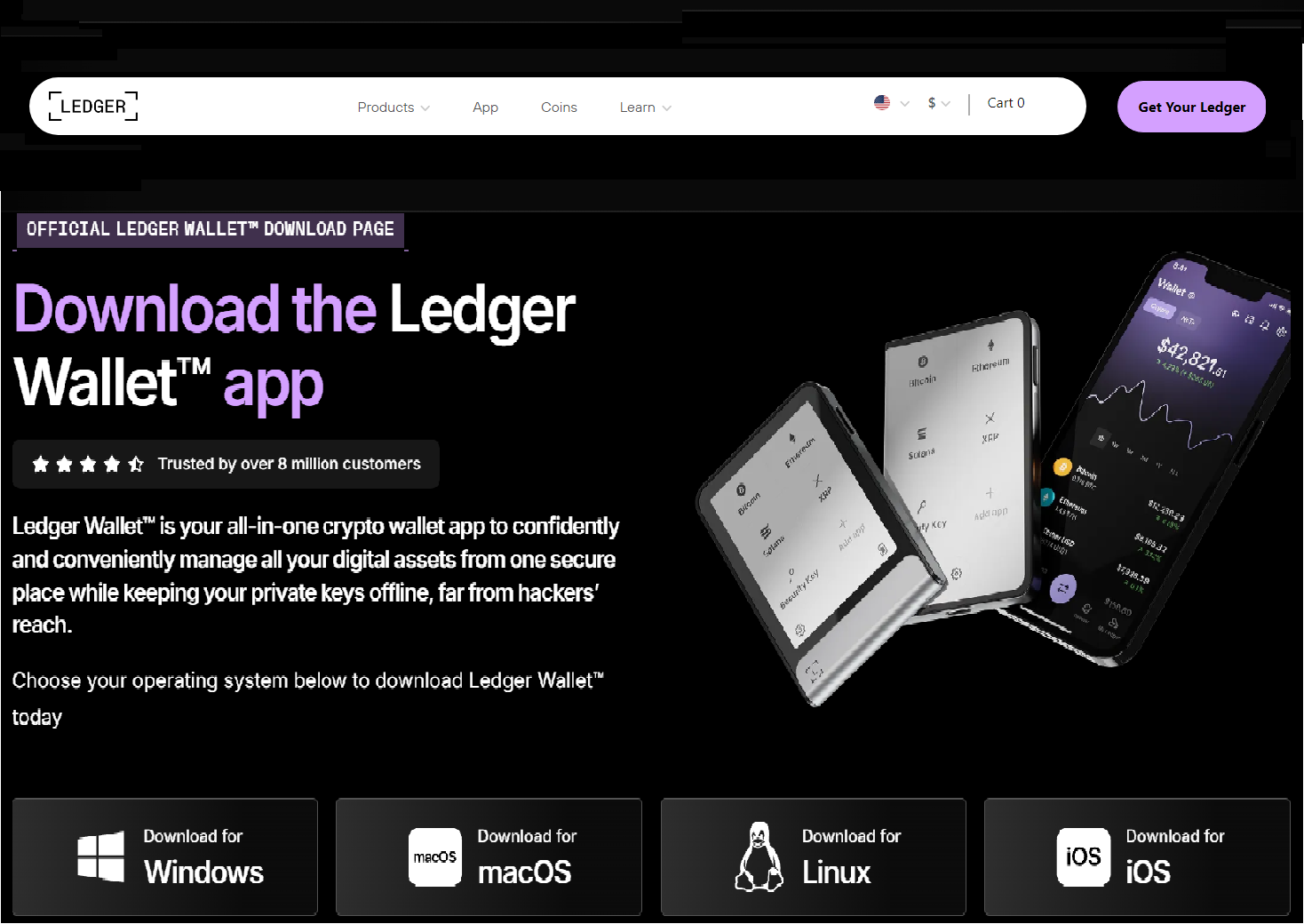
Ledger.com/start: A Simple Guide to Ledger Wallet Setup
Managing cryptocurrency independently requires more than choosing a wallet. You also need to understand how your device works, how your private keys are protected, and how to keep your recovery information safe. Ledger.com/start can serve as a starting point for users preparing a Ledger hardware wallet and looking for guidance on the initial setup process.
A hardware wallet provides a physical security layer for managing digital assets. Instead of exposing private keys directly to an internet-connected computer, the device is designed to keep sensitive key material protected while allowing users to approve transactions. For beginners, understanding this process before moving funds into a new wallet is an important part of responsible cryptocurrency management.
Understanding Ledger.com/start
Ledger.com/start is associated with the setup experience for Ledger hardware wallets. Users can use Ledger’s official resources to learn about preparing their device, installing the appropriate wallet software, and completing the initial configuration.
Beginning with a trusted source is particularly important in cryptocurrency. Search engines can display websites that imitate legitimate brands, and fraudulent applications may use familiar names, logos, and layouts. Checking the website address before downloading software or entering information is therefore an essential security habit.
Prepare Your Ledger Device
Before beginning the setup, make sure you have your Ledger hardware wallet, its supplied accessories, and a compatible computer or mobile device. Choose a private location where you can complete the setup without other people observing your security information.
Take your time when opening and configuring the device. Avoid accepting setup instructions from strangers or unofficial support accounts. The safest approach is to follow the instructions provided through trusted Ledger resources and the information displayed on the hardware wallet itself.
Install the Appropriate Ledger Software
A Ledger hardware wallet works together with companion software that provides an interface for managing supported cryptocurrency accounts. Depending on your device and operating system, the available software and features can differ.
Download software only through official Ledger channels. Avoid applications found through unknown download pages, unsolicited messages, or suspicious advertisements.
After installation, open the wallet application and connect your hardware device according to the instructions. If the software asks you to perform an important action, compare the instructions with what appears directly on your Ledger device.
Set Up Your Device
During initialization, the hardware wallet guides you through the process of configuring the device. One of the first security steps is generally creating a PIN.
The PIN provides protection against unauthorized use of the physical device. Select a PIN that is not easy for another person to guess, and do not disclose it to anyone.
The device may also guide you through creating a new wallet or restoring an existing one. Read every instruction carefully before selecting an option because the setup process determines how your wallet will be configured.
Record Your Recovery Information Carefully
Your Secret Recovery Phrase is a critical part of wallet security. It provides a backup that can be used to recover wallet access under the appropriate circumstances.
Write the recovery words down exactly as they appear on your device. Check the spelling and order before completing the setup.
Never share your recovery phrase with another person. Do not type it into websites, online forms, email messages, cloud documents, or messaging applications. Someone who obtains your recovery information may potentially gain control over assets associated with the wallet.
For the same reason, be suspicious of anyone who claims to be technical support and asks for your recovery phrase. Legitimate support should not require you to reveal confidential wallet credentials.
Verify Your Device Information
Security is not limited to creating a PIN and recording a recovery phrase. You should also pay attention to information displayed on the physical hardware wallet.
When confirming an important operation, review the details shown on the device before approving it. This can include addresses, amounts, or other transaction information.
A computer or smartphone can display information that looks correct, but the hardware device provides an additional place to verify what you are actually authorizing. Developing this habit can help reduce mistakes caused by misleading software or altered transaction details.
Add Cryptocurrency Accounts
After the initial configuration is complete, you can use the compatible Ledger software to manage supported cryptocurrency accounts.
Different digital assets operate on different blockchain networks, so the account setup process can vary. Follow the software instructions for the asset you want to manage rather than assuming that every cryptocurrency uses the same procedure.
When receiving funds, verify the address before giving it to the sender. When sending funds, carefully check the destination address and amount before confirming the transaction.
Keep Your Recovery Phrase Offline
One of the simplest ways to improve wallet security is to keep your recovery information offline.
Avoid storing your recovery phrase as a photograph or screenshot. Do not keep it in an online note, cloud drive, email account, or password-sharing service. Digital copies can create additional opportunities for unauthorized access.
Your recovery information should be protected from theft, loss, and unauthorized viewing. Consider the long-term safety of wherever you choose to store it, especially if the wallet will be used for valuable assets.
Avoid Common Setup Scams
Phishing is one of the biggest risks facing cryptocurrency users. Fraudsters may create websites that resemble legitimate wallet services or send messages claiming that an account needs to be verified.
A message asking for your recovery phrase, PIN, or other confidential wallet information should immediately raise suspicion.
Another warning sign is a person offering to “activate” or “verify” your hardware wallet remotely. Never allow an unknown person to control your computer or request confidential wallet information.
Always navigate to trusted Ledger resources yourself instead of relying on unexpected links.
Maintain Good Wallet Security
Completing the initial setup is only the beginning of secure cryptocurrency management. Continue using careful habits whenever you access your wallet.
Keep your device physically secure, install software and updates through trusted sources, and verify important transaction information before approving it. If something unexpectedly changes during a transaction or setup process, stop and investigate before continuing.
It is better to spend several minutes checking an unfamiliar request than to approve an irreversible cryptocurrency transaction without understanding it.
Final Thoughts
Ledger.com/start can provide a useful starting point for users learning how to configure a Ledger hardware wallet. The setup process involves more than installing software because it establishes the security practices that will protect access to your digital assets.
Create your device PIN carefully, record your Secret Recovery Phrase accurately, keep recovery information private, use trusted software, and verify transaction details on the hardware device before approval.
The most valuable security habit is simply to slow down. Cryptocurrency transactions can be difficult or impossible to reverse, so careful verification should become part of your normal wallet routine. By approaching Ledger wallet setup methodically and avoiding unofficial instructions, beginners can build a stronger foundation for responsible self-custody.
Updated about 5 hours ago